
✦
Select an authentic Android flow
Use a screen from a meaningful user task rather than a generic splash view.
Show Android UI in a frame that supports the feature narrative and respects the detail of the actual interface.
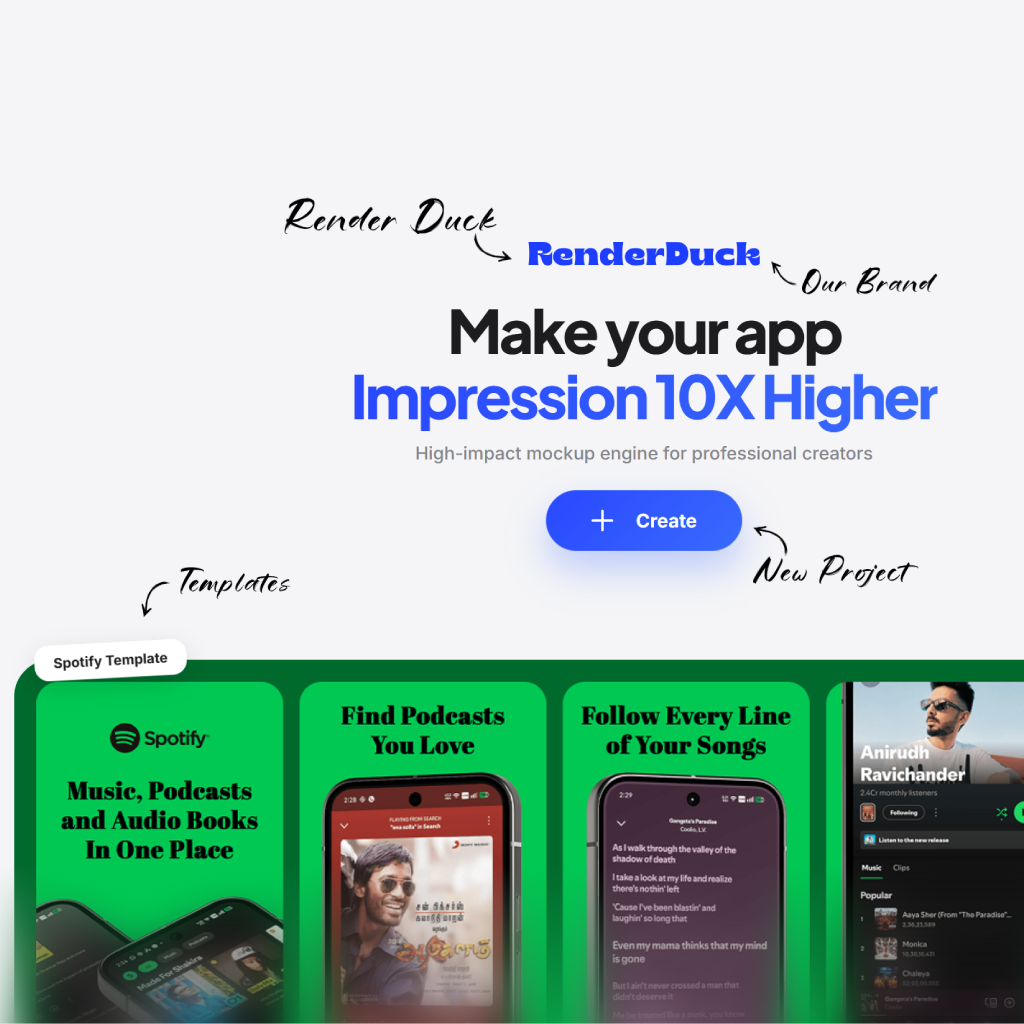
Show Android UI in a frame that supports the feature narrative and respects the detail of the actual interface.
Use a screen from a meaningful user task rather than a generic splash view.
Background and device framing should clarify the product’s setting, not steal focus.
Keep the composition editable for release notes, social posts and listing creative.
Show Android UI in a frame that supports the feature narrative and respects the detail of the actual interface.
Use a screen from a meaningful user task rather than a generic splash view.
Background and device framing should clarify the product’s setting, not steal focus.
Keep the composition editable for release notes, social posts and listing creative.
Use simple, intentional composition to make the next product moment easier to notice and understand.
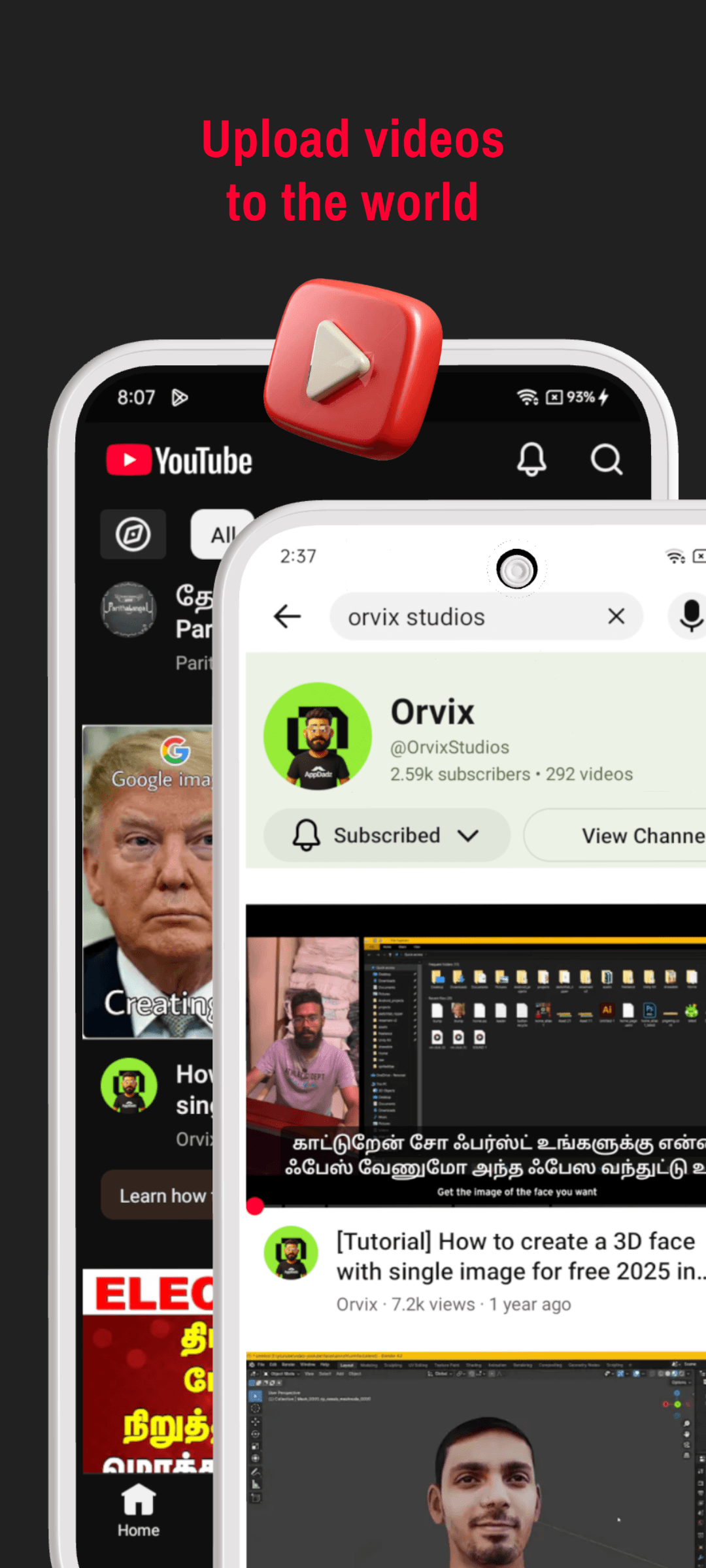
Lead with the main product idea
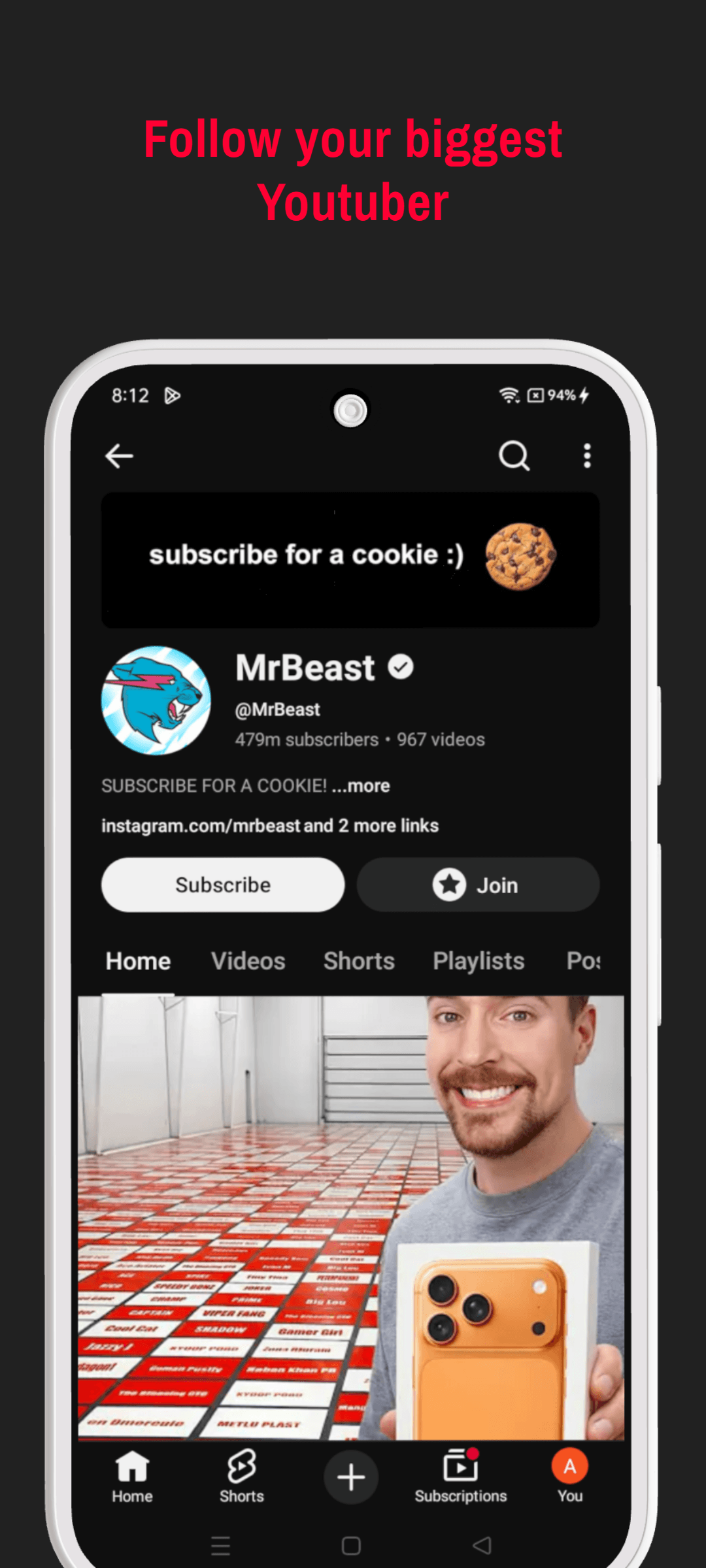
Focus on the important screen
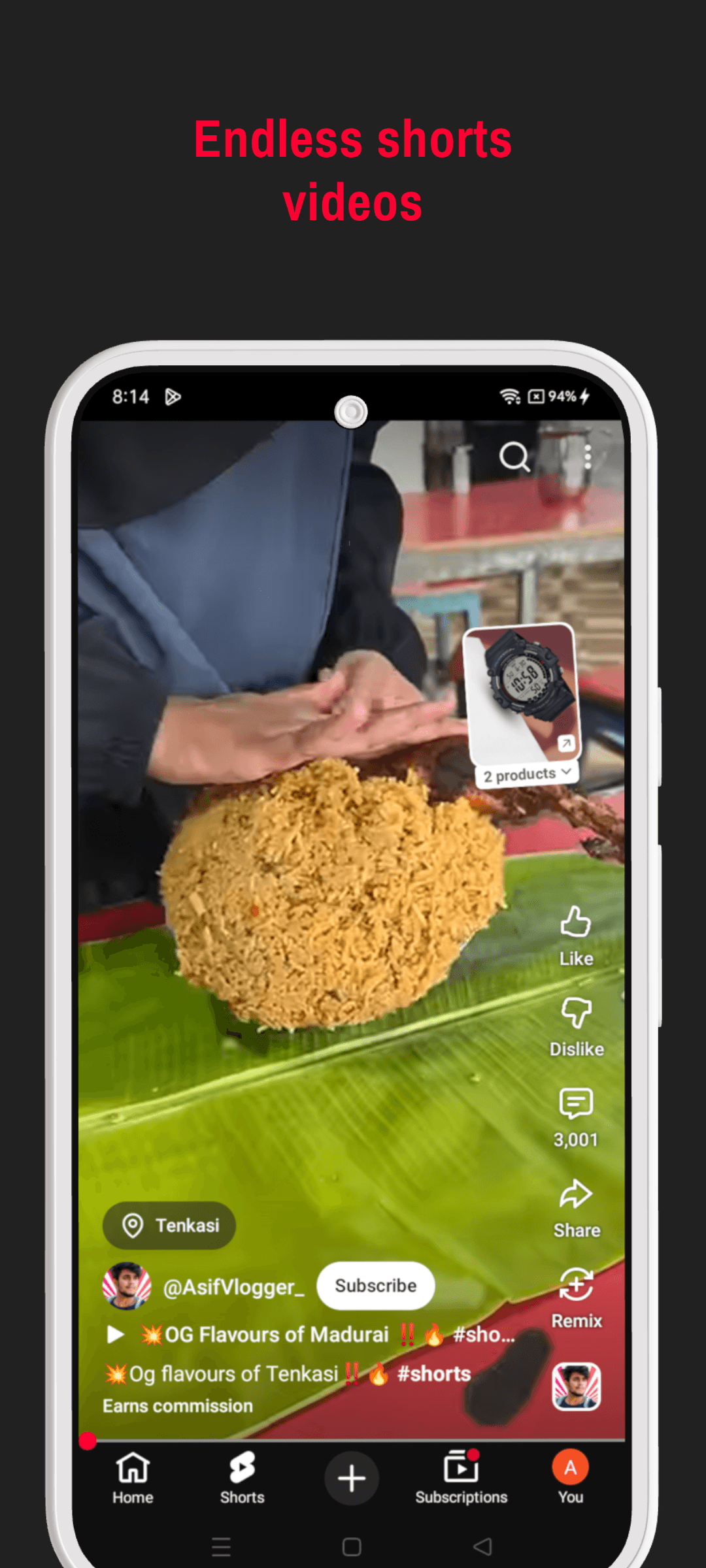
Support the product story
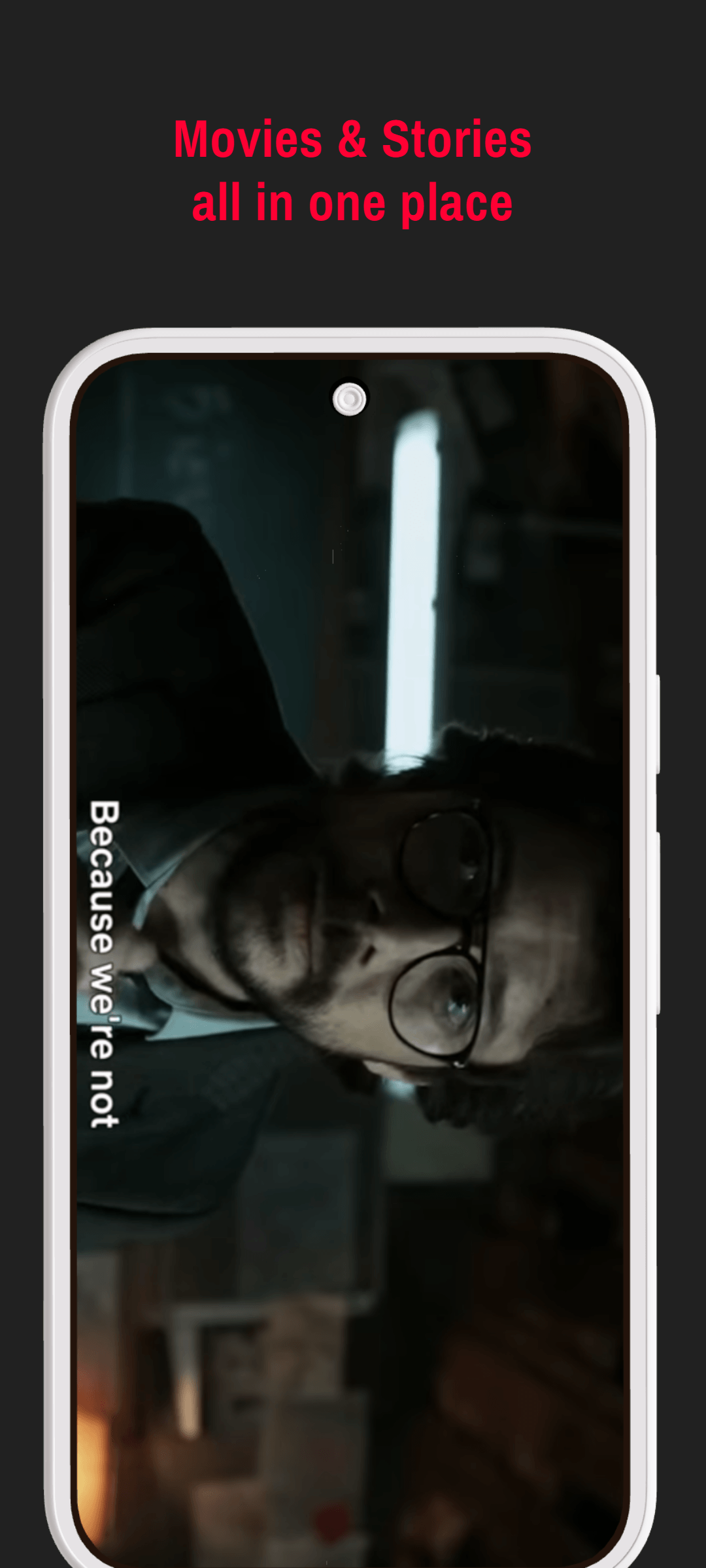
Finish with a clear benefit
Show Android UI in a frame that supports the feature narrative and respects the detail of the actual interface.
Use a screen from a meaningful user task rather than a generic splash view.
Background and device framing should clarify the product’s setting, not steal focus.
Keep the composition editable for release notes, social posts and listing creative.
Use these page-specific notes when preparing your screenshots, templates, mockups or listing assets.
Show Android UI in a frame that supports the feature narrative and respects the detail of the actual interface. The strongest version of this work begins with the real user problem your product solves, rather than a generic visual trend or a keyword placed for search engines.
Use a screen from a meaningful user task rather than a generic splash view. Background and device framing should clarify the product’s setting, not steal focus. Together, those choices help the page show useful evidence instead of relying on decorative claims.
Keep the composition editable for release notes, social posts and listing creative. Before publishing, review the page on a phone-sized screen and make sure every visible claim can be supported by the product experience.
Move between tools, templates, platform resources and guides without starting the research again.
The essentials for using RenderDuck for android mockups.
Show Android UI in a frame that supports the feature narrative and respects the detail of the actual interface.
Use a screen from a meaningful user task rather than a generic splash view.
Avoid copying another product’s creative or making unsupported claims. Build the page around your own app, users and verifiable product value.
Keep the composition editable for release notes, social posts and listing creative.
Open the editor and turn your product screens into focused, polished app marketing creative.
Start creating